
Science fiction is a genre in cinema that is often the most challenging for many reasons. It requires arguably the most creative imagination because it must incorporate enough of the fantasy element to immerse and mystify the audience, and still carefully balance that with enough realism to make the premise and every aspect within it believable. After all, science is merely the man-made study of that which we understand about our planet and the infinite void of space around it, and our planet is so little. The creative possibilities are themselves infinite, but we the audience still must be able to envision it based on what we understand.
Due to that, science fiction films are some of the most hit-and-miss projects in the industry. If the director and writers don’t produce a compelling and imaginative premise, the audience will easily lose sight of the intended vision and thus their interest. Also, bringing many science fiction stories to life requires a very considerable production budget, which is a necessity many projects don’t acquire. It’s also often the reason many of them don’t even make it to production at all, as companies are more reluctant to invest serious money in an entirely original script with various, expensive elements. They noticeably prefer projects either based on existing, successful source material (ie – a book series), or original ones that have managed to prove their success over the risk.
Sometimes though, despite these factors that usually give a production company a degree of comfort and confidence, a project may not always succeed as expected. The script either is simply too weak and gets reworked by someone else, or the underwhelming performance of a film completely uproots an initially planned sequel. Here is a list of 8 canceled sci-fi movies that will never see the light of day.
8 Calling All Robots
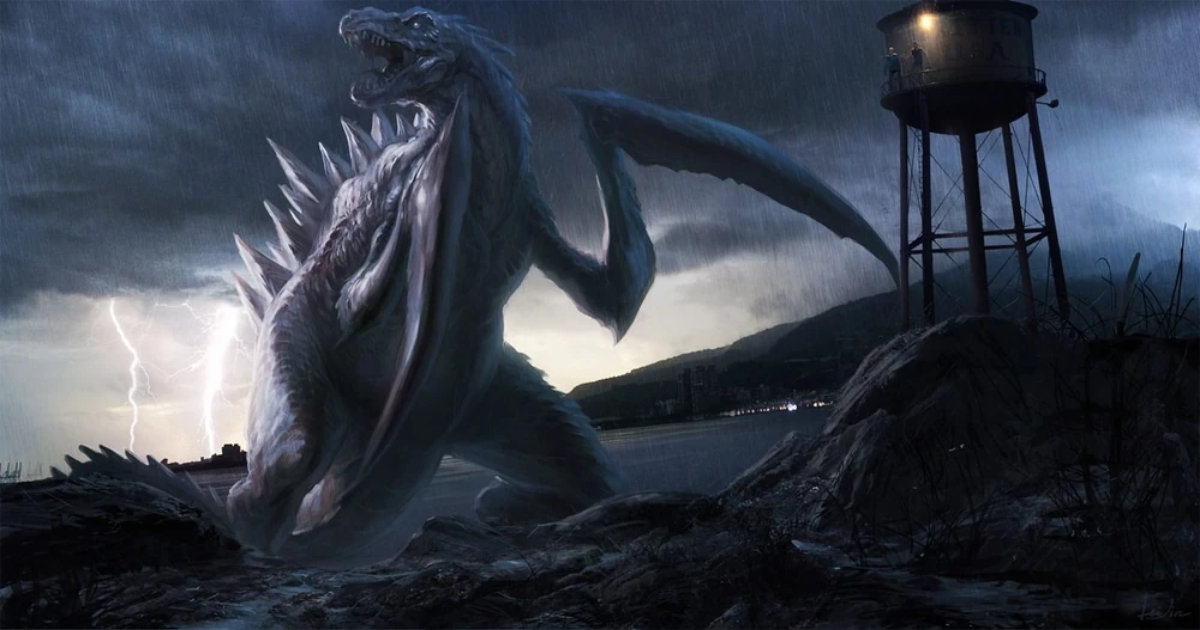
Calling All Robots was planned as a sci-fi adventure film collaboration between Walt Disney Pictures and ImageMovers Digital. With director Michael Dougherty at the helm, it was conceptualized to be another 3D computer-animated motion capture film, something that Disney had been experimenting with at the time. Films like A Christmas Carol (2009) which starred some big names like Jim Carrey as Ebenezer Scrooge and Steven Spielberg’s The Adventures of Tintin (2011) yielded substantial box office turnouts, at least against the huge production budgets it took to make them. This was the undoing for one other film, Mars Needs Moms (2011), which ultimately lost over $100 million after a dismal release in theaters.
This contributed to Disney’s decision to slam the brakes on Calling All Robots, which was well into pre-production with plenty of concept art like the sample above. The premise of the film took place in a world where giant monsters have been in perpetual conflict with humanity since 1958. A young boy seeking vengeance for his father’s death joins the giant robot program that was created to defend humanity, despite pleas from his grandfather to not take revenge on the monsters. The boy befriends a girl named Yuriko, and together they discover that the rise in monster attacks was manipulated by the General in charge of the robot program in order to falsely establish himself a war hero.
Along with Disney and ImageMovers deciding to close ImageMovers Digital after the abysmal performance of its last film, conflicts had arisen with the Academy of Motion Pictures, who decided that motion capture films would not be eligible for certain award categories. This later applied to James Cameron’s Avatar (2009) franchise, which constructed its own version of motion capture just for those films.
Despite this unfortunate decision to cancel Calling All Robots, a film that likely could have been very popular, parts of its plot were later reused in the giant robot action franchise Pacific Rim (2013).
7 Alien 5: Awakening
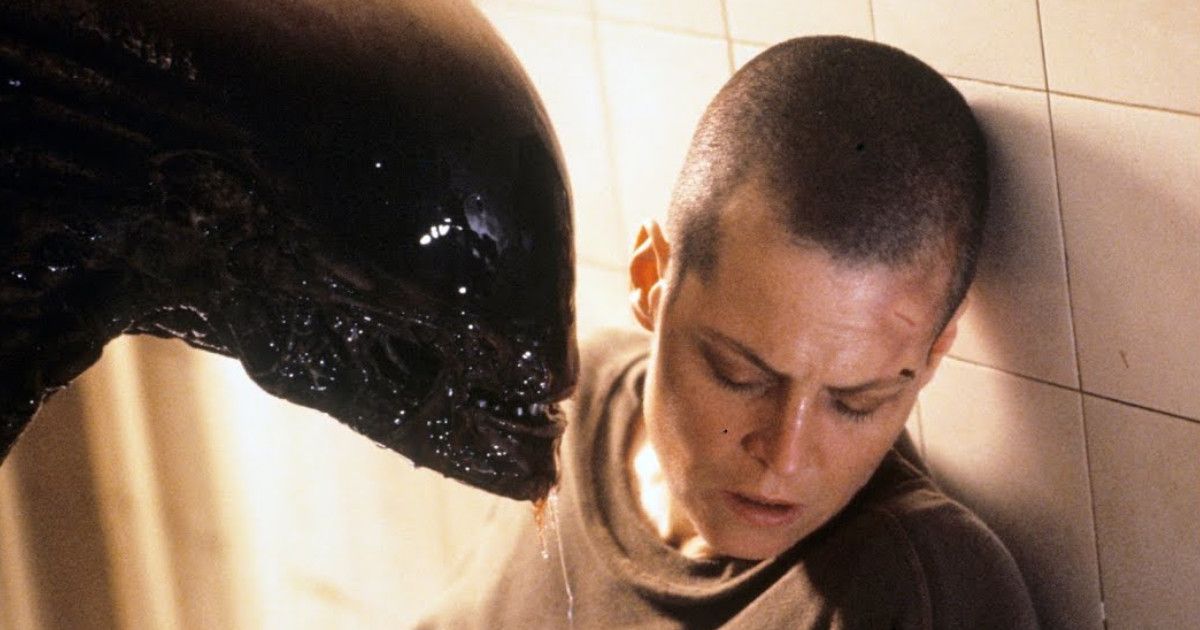
The ongoing success of the Alien franchise, ever since Sigourney Weaver first took up her mantle as the fearless Ellen Ripley, has seldom led to any serious hiccups in terms of underperforming films. The universe developed around the films spanned beyond the original story of the first four installments, leading to two crossover films with Predator, a very successful ongoing prequel series, and another standalone film with Hulu currently titled Alien: Romulus that’s just begun shooting.
Despite such consistent success, however, there was reportedly one film planned for the original series back in 2015 that never became a reality. Under the working title of Alien 5, the film was to take place chronologically after the second film Aliens (1986), and completely ignore the events of Alien 3 (1992) and the subsequent Resurrection (1997). Serving as a sort of mid-story reboot, the premise of the film would have taken place 30 years after the events of Aliens, and included Ellen Ripley, Newt all grown up, and Dwayne Hicks with fresh acid scars.
The film was first announced in 2015 by Ridley Scott and Neill Blomkamp, who was known at the time for his blockbuster hit District 9 (2009) and the aesthetically similar Elysium (2013). However, in May of 2017 Scott officially axed the film, citing his and 20th Century Fox’s desire to push forward on his Alien: Covenant project instead. This reportedly blindsided Blomkamp, but in an interview with The Guardian he suspected that his film Chappie (2015), which came out later in the same year as the announcement of Alien 5 and performed dismally at the box office, was behind Scott’s decision. Not to mention that films made decades later as a follow-up to a dated premise rarely do well with audiences, no matter what directing talent is behind the camera.
6 E.T. II: Nocturnal Fears
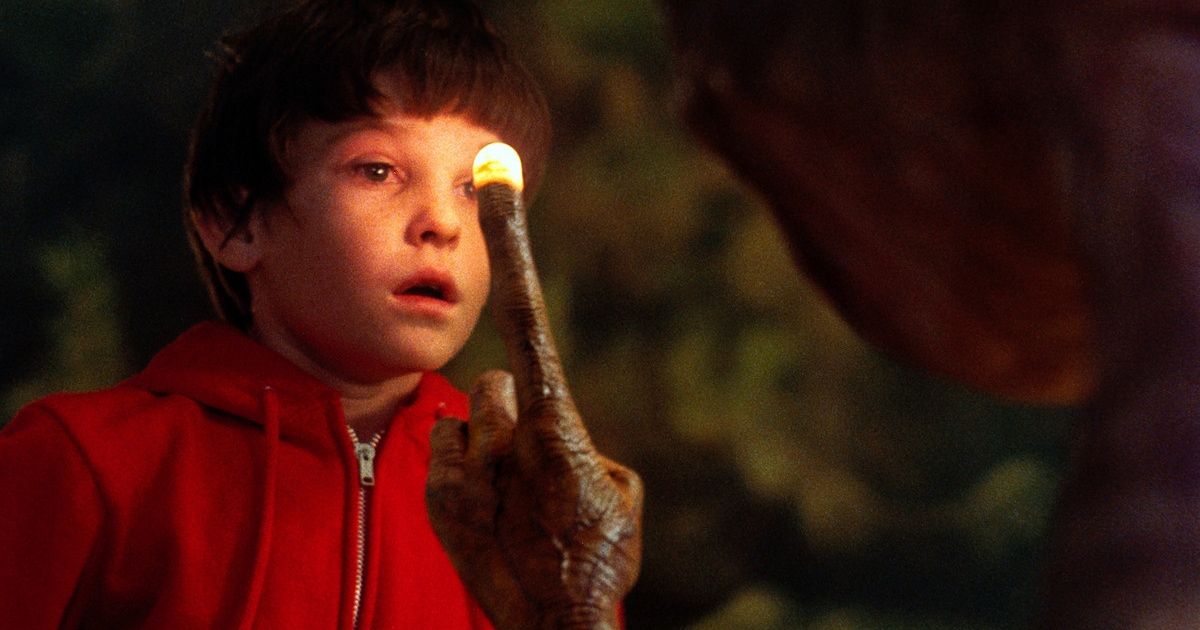
Steven Spielberg’s incredibly beloved sci-fi adventure film E.T. the Extra-Terrestrial (1982) remains one of the most important and memorable stories in film history, landing at number six on the National Film Registry and considered an impeccable masterpiece by critics everywhere. Its unique untouchable success led to Spielberg and co-writer Melissa Mathison wanting to consider a direct sequel, which they started to put together right after the first film’s theatrical release.
The premise of the sequel would have seen the return of Elliot and his friends from the first film, who get kidnapped and tortured by an unknown race of evil extraterrestrials. They seek E.T. for help to escape, and eventually their alien friend manages to save them. This script, which evidently wasn’t nearly as strong as its predecessor, was ultimately axed by Spielberg who personally decided that a sequel would “do nothing but rob the original of its virginity”. He canceled the project entirely, which many would wholeheartedly agree was the right choice. Aliens torturing children and E.T. only making an appearance in the third act would have not been very appealing to audiences.
5 The Divergent Series: Ascendant

The Divergent film franchise came along in the mid-2010s when book-adapted teen apocalyptic action movies were very much in their prime, including the mega-blockbuster series The Hunger Games (2012) and The Maze Runner (2014). Divergent was based on a novel series of three books written by Veronica Roth. The films starred Shailene Woodley and Theo James, and performed reasonably well at the box office until the third installment Allegiant (2016), which barely broke even against its budget.
It covered the first half of the third book and critics panned the film for being split into two parts, something that worked far better for The Hunger Games: Mockingjay Part One and Part Two. Allegiant may have been an attempt to replicate that success, but the source material in Roth’s book seemingly wasn’t structured for that scenario. Critics also called out the film’s lack of originality, poor character development, and lackluster special effects, citing the adapted series as growing increasingly boring with its rendition. Shailene Woodley and Naomi Watts also both received Razzie nominations for Worst Actress for their performances in the film.
This all undoubtedly led to the cancelation of the planned fourth and final film, The Divergent Series: Ascendant, which would have covered the second half of the third book. An alternative plan was made to rework the final film as a made-for-TV movie on Starz instead with the same cast. However, lack of interest from the cast as well as the network and production company Lionsgate led to that being scrapped as well. So the cinematic retelling of Divergent remains forever unfinished.
4 Godzilla 2 (Sequel to the 1998 Version)
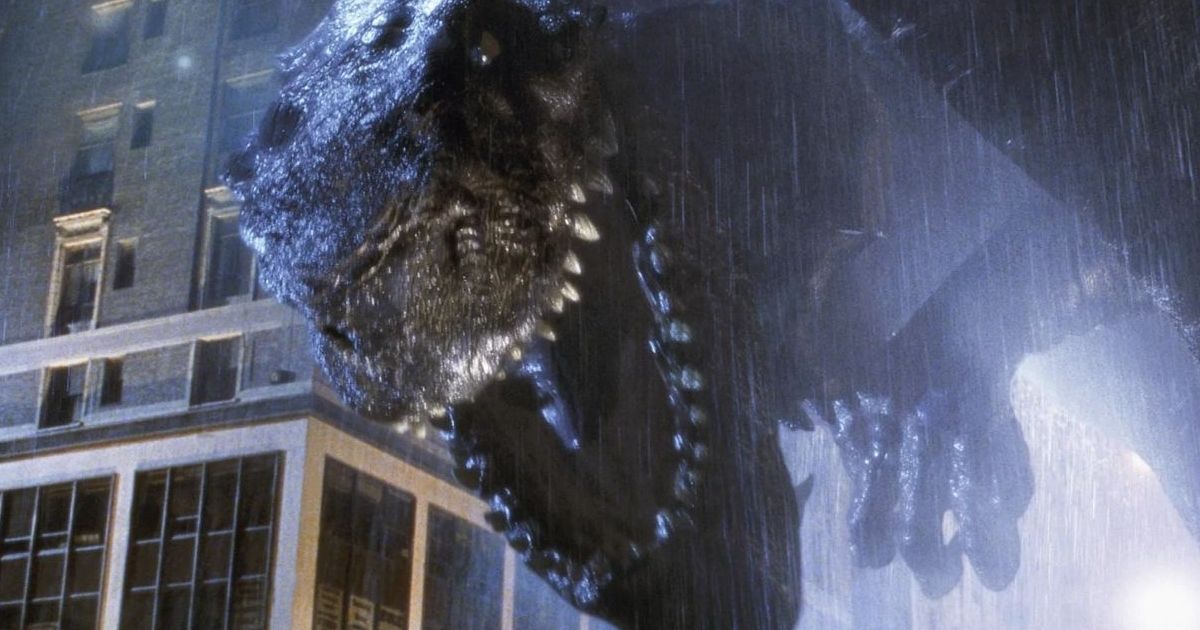
The mythical dino-monster Godzilla that came into creation decades ago in Japan was as iconic then as it is now. It first appeared in Japanese film in the 1950s, not too long after World War II and was meant more as a socio-political symbol about the dangers of nuclear power. Of course the creature has seen its purpose in film change in the decades to come, and now continues to reign on the big screen in different adaptations from different directors. One such film was essentially the first real attempt by an American director to create an action film with Godzilla at its center. Called simply Godzilla (1998), it was directed by Roland Emmerich and starred an interesting assortment of actors, such as Matthew Broderick and Jean Reno.
The film had Godzilla originate from French Polynesia where nuclear tests were carried out for years, resulting in the mutation of creatures such as iguanas, leading to the monster’s creation. It eventually finds its way by sea to New York and wreaks havoc on the city, eventually laying hundreds of eggs inside a demolished Madison Square Garden. NRC biologist Nick (Matthew Broderick) and French secret serviceman Phillipe (Jean Reno) set out to find a way to get the monster out of the city and also destroy the eggs before they hatch. Eventually the military manages to trap the monster on one of the city’s bridges and shoots it dead, while also nuking Madison Square Garden and all the eggs within, except one. The end of the movie sees the egg hatch, clearly paving the way for a sequel.
Under the working title Godzilla 2, a sequel was indeed planned at production company Tristar. The premise of the film would have seen the one surviving baby of Godzilla do battle with another monster in Sydney, Australia. After the first film was universally panned by both critics and audiences, however, director Emmerich decided to axe the sequel, not wanting to repeat the same mistakes. Instead, details from the planned sequel went into an animated series that aired on Fox Kids from 1998 to 2000. Eventually Tristar’s rights to the Godzilla franchise expired and they reverted back to parent company Toho.
3 Independence Day 3
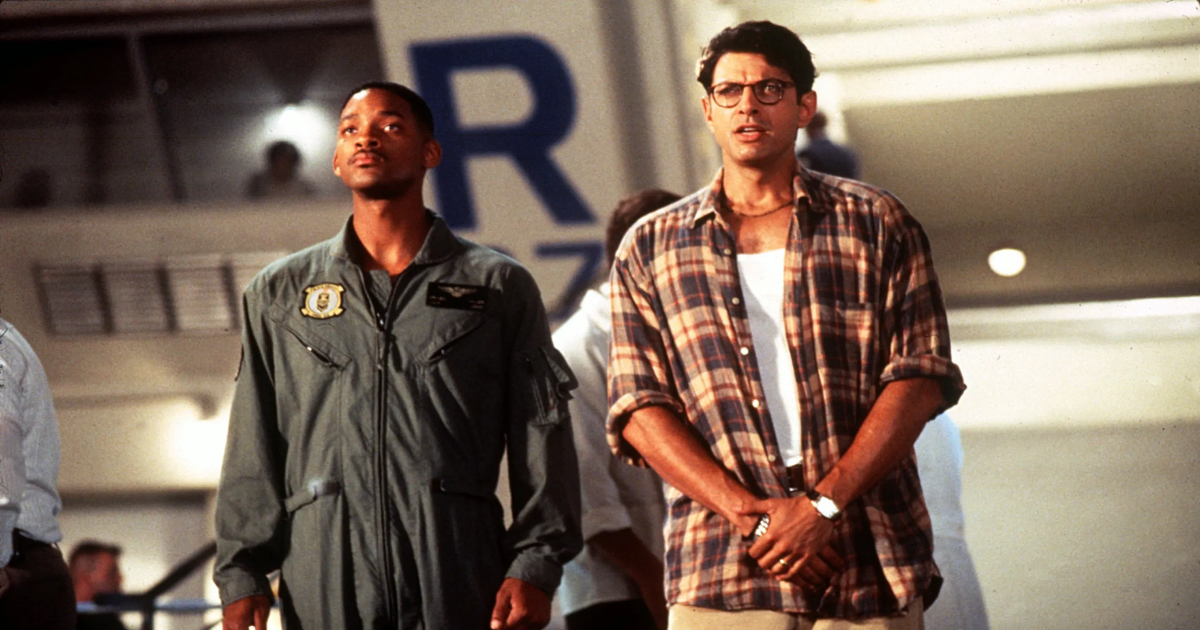
The first Independence Day film that was directed also by Roland Emmerich and released in 1996 was one of the most popular sci-fi action films of the late 1990s, and remains a classic for fans everywhere today. The mega-blockbuster starred the likes of Will Smith and Jeff Goldblum, who had terrific chemistry on the big screen. The premise of the film centered on a massive alien mothership that descends upon Earth on July 2nd, releasing several flying saucers, each 15 miles in length, over major cities across the globe. When the U.S. President (Bill Pullman) attempts to evacuate all the targeted cities, the alien saucers respond with destructive beams that completely destroy the cities, killing millions of people. An effort to combat the alien forces themselves begins, and on July 4th, the military manages to overcome the invasion and destroy the motherships, saving humanity on Independence Day.
The sequel Independence Day: Resurgence (2016), also directed by Emmerich, was released 20 years after the first film, and was planned to be the first of a new series of films for the storyline. While it did moderately well at the box office, it nowhere near replicated the success of the original film which grossed nearly $1 billion dollars worldwide. Critics and audiences alike panned the film as a poor follow-up to the original that took far too long to come out. Emmerich announced plans for the third film, known simply as Independence Day 3 with no true working title yet, shortly after the sequel’s release. However, with such a negative response and an underwhelming performance from the second film, he decided responsibly to pull the plug. No other sequels have been planned since.
2 Terminator Salvation 2
The Terminator film franchise is one that, much like Jurassic Park, started off tremendously strong with James Cameron at the helm of the first two films. Both The Terminator (1984) and Terminator 2: Judgment Day (1991) were heralded as marvels of writing in the sci-fi genre, and Cameron’s use of revolutionary practical special effects. The third film marked Cameron’s departure from the franchise, being taken over by Jonathan Mostow instead. From there, the series saw a noticeable downturn, both at the box office and the critical response to each of the sequels. Most claimed the franchise lost the vision of its first films, giving way to more action tropes that took the fear and mystery of the terminator machines away.
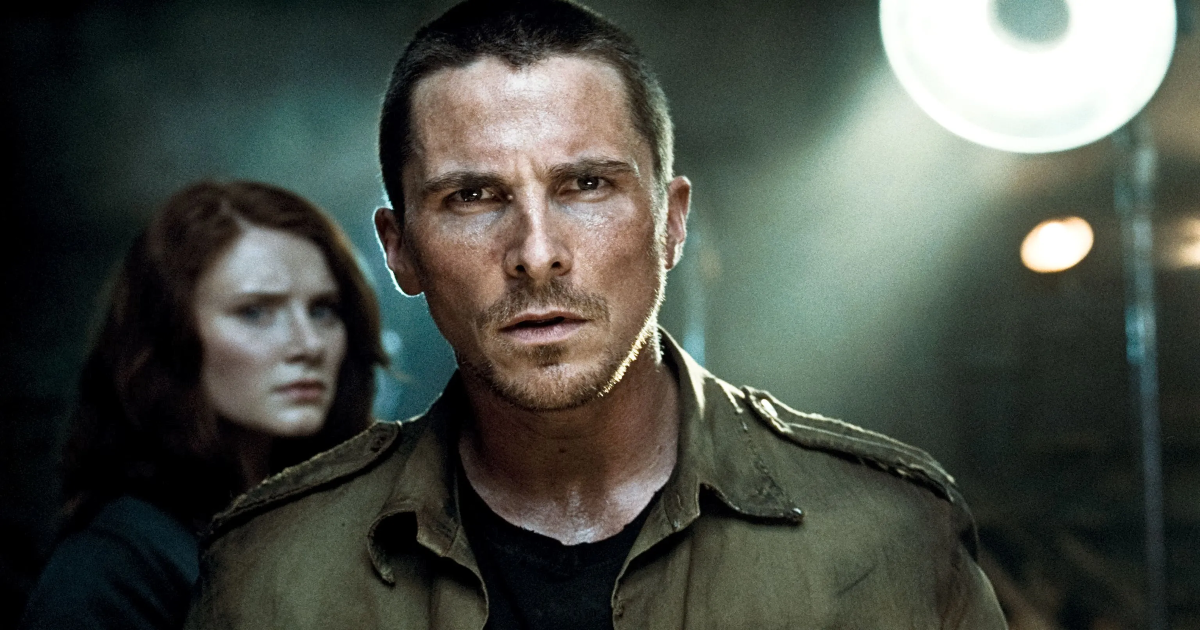
Terminator Salvation (2009), which was directed by Joseph Nichol and starred newcomer Christian Bale, did moderately well at the box office but received overwhelmingly negative reviews. The film was intended to start a trilogy within the franchise, and there were plans for a Terminator Salvation 2 sequel. However, given the poor performance of Salvation and its production company Halcyon declaring bankruptcy and losing the rights to the franchise, the project was ultimately canned.
1 Terminator Genisys 2

Another film in the Terminator franchise that also did not exceed expectations was Terminator: Genisys (2015), which was strangely intended as a full reboot of the entire storyline that would ignore all of Cameron’s work, saw the introduction of Game of Thrones superstar Emilia Clarke into the story as a new version of Sarah Connor. She tag-teamed alongside Arnold Schwarzenegger once more as the T-800 Terminator, and audiences and critics alike were not impressed.
Despite her acting talents elsewhere, Clarke’s casting was considered a very strange choice to follow up Linda Hamilton’s legacy, and the film overall flopped on every front. Despite plans for a Terminator: Genisys 2, which would have focused on John Connor becoming half-human half-machine and ignored the events of the third film Terminator 3: Rise of the Machines (2003), the abysmal performance of the reboot led to the film being scrapped soon after release.