
“Just because you’re paranoid doesn’t mean they’re not after you.” – Joseph Heller, Catch-22
We’ve all dealt with a little paranoia here and there. Is that person following me? Did I leave the stove on? Did I actually pay that bill? But the characters in the following films have got it in super-size doses, whether they need to have it or not. Read on for a ranking of the 20 best look over your shoulder, lock your door twice, turn off all the lights, and pretend you’re not home movies. And in the immortal words of baseball player Satchel Paige, “Don’t look back. Something might be gaining on you.”
20 The Net (1995)

Although it might seem dated now, this 1995 thriller about online surveillance came across as a lot scarier when it was released. Sandra Bullock is Angela Bennett, an IT professional and early remote worker who doesn’t happen to interact much with people apart from online. She gets a mysterious floppy disk labeled “Mozart’s Ghost” with a backdoor to a security system called Gatekeeper, and that’s when things really start to go wrong. She gets mugged on holiday and a man she thought was a romantic interest is trying to kill her. Pretty soon, no one is who they seem to be, and Bennett’s entire identity is wiped out, online and in real life. It’s all sorted out in the end, but it was a prescient view of the future state of online surveillance.
19 Disturbia (2007)
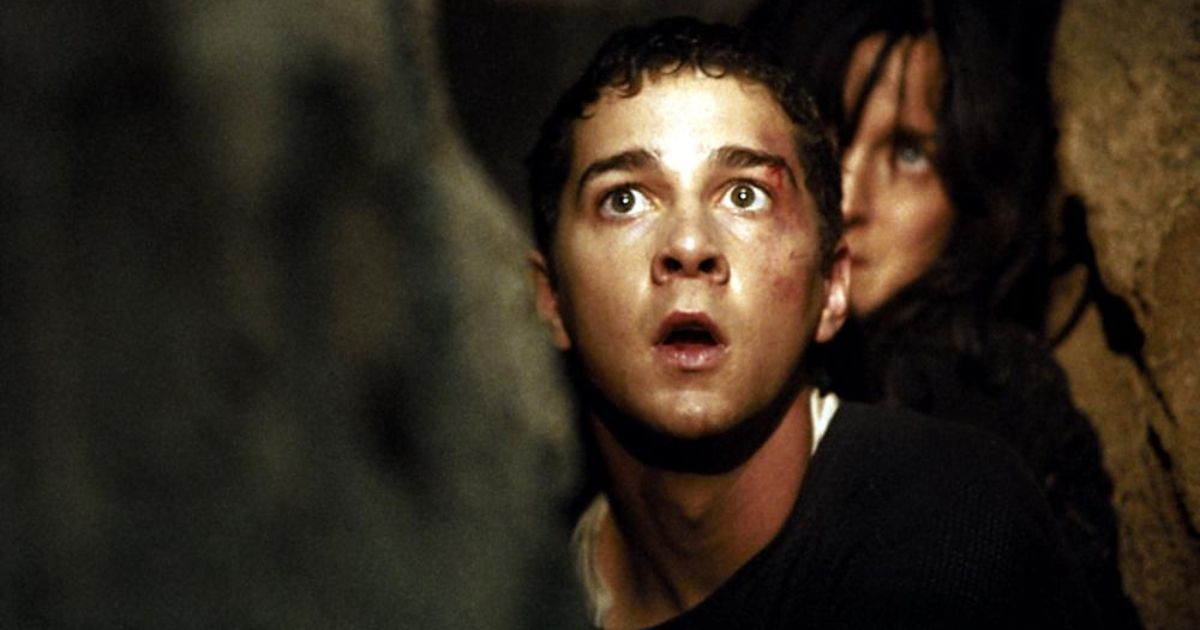
Shia LaBeouf starred in this modern retelling of Rear Window, itself a classic study of paranoia, but instead of Jimmy Stewart’s photographer with a broken leg, we’ve got La Beouf’s Kale, a troubled teenager on house arrest. He develops a crush on one neighbor, and some suspicions about another, a single man whose car matches one the police are looking for in a hunt for a serial killer. What starts out as some largely innocent binocular spying turns into some definitely not innocent breaking and entering. But as with so many things, once Kale starts he can’t stop, begging the question: if you truly suspect someone, should you go after them? (No, leave that to the authorities.)
18 A Pure Formality (1994)
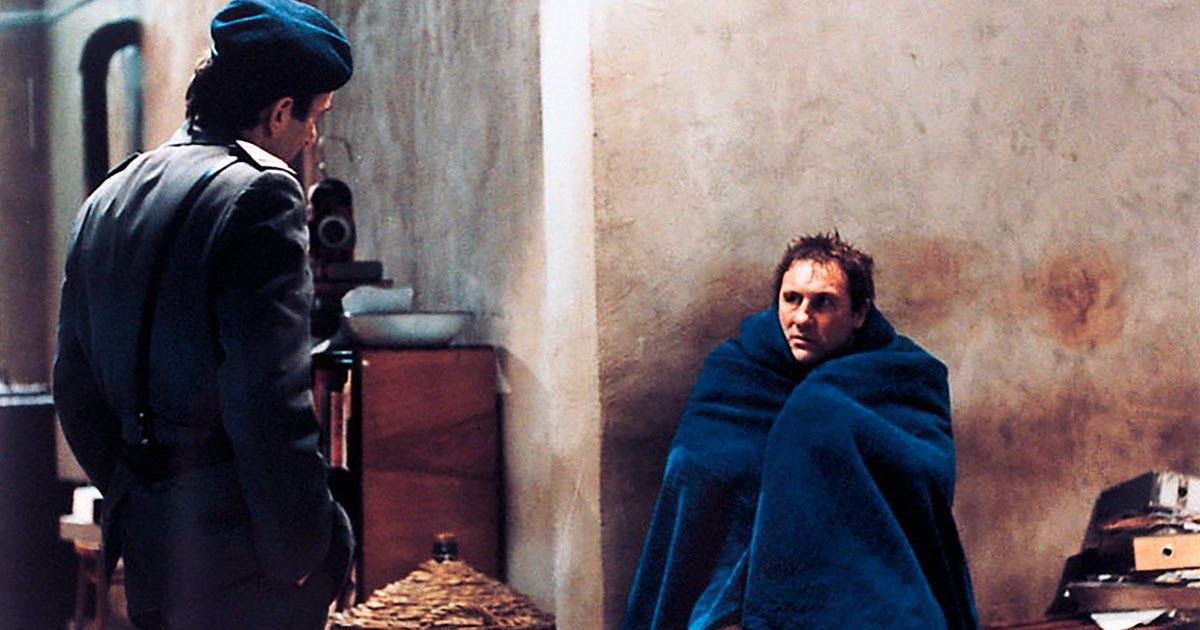
Gerard Depardieu is Onoff, a renowned writer brought into a rural police station in the middle of the night, disheveled, suffering from some sort of amnesia. Roman Polanski is the inspector, trying to figure out what crime, if any, has occurred, trying to tease details out of an increasingly paranoid Depardieu who is also trying to figure out what crime, if any, has occurred. Tempers flare and suspicions rage in the dark, damp police station all night as the two men each try and get information out of the other, leading to a surprising conclusion.
17 Memento (2000)
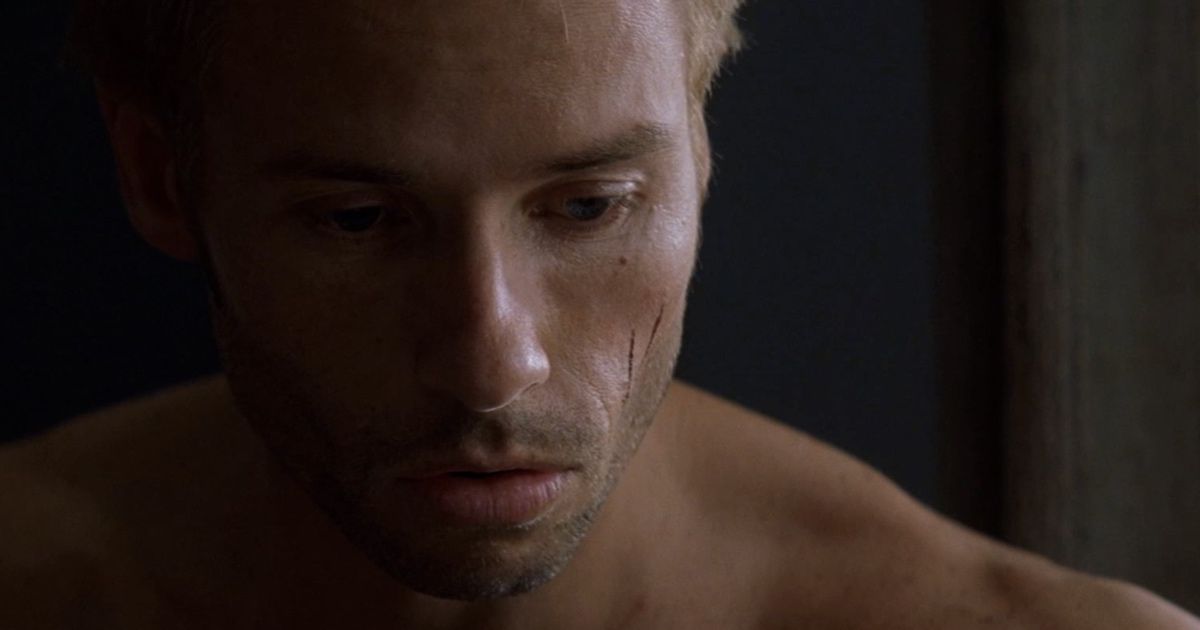
Christopher Nolan’s anxiety-fueled neo-noir Memento is a great example of someone who should be paranoid. Guy Pearce is Leonard Shelby, a man with short term amnesia who wakes up every day having to remember that someone sexually assaulted and killed his wife, and he has no idea who. His only semi-reliable tools are self-administered tattoos and post-it notes to puzzle together who killed his wife and why, wondering if they are going to kill him too, every day meeting people he isn’t sure if he’s met before, isn’t sure if he’s suspected before. The movie does such a good job of getting across what a scary mental state this would be, and every time Shelby wakes up with his memory wiped, the audience feels that same little jolt of fear.
16 The Game (1997)
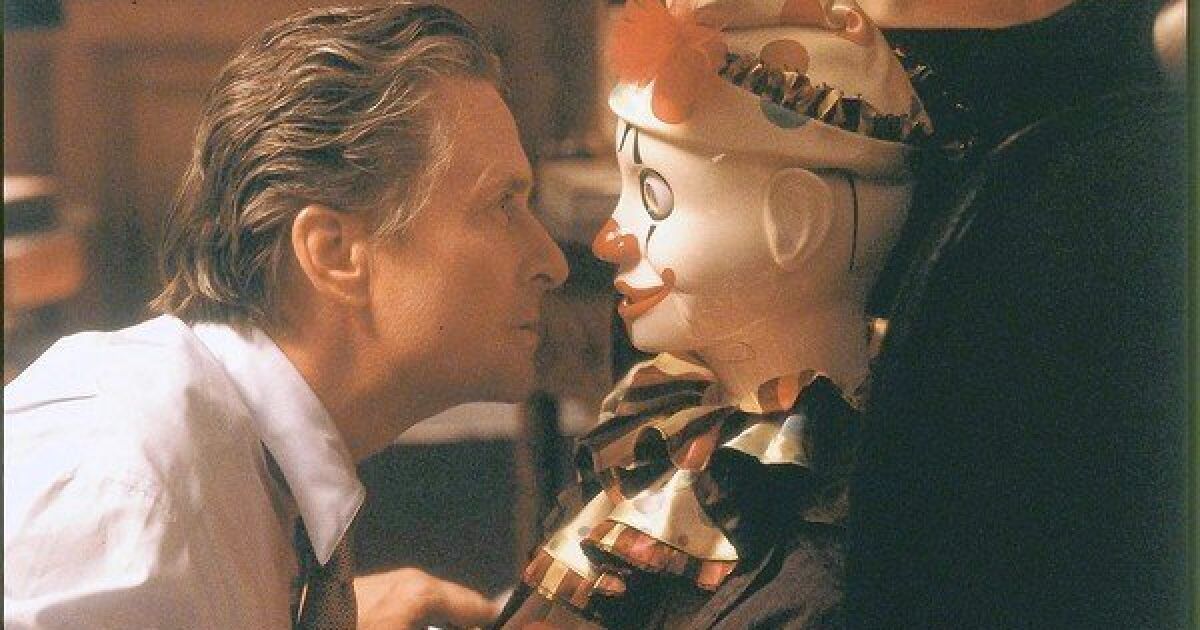
In The Game, Nicholas Van Orten (Michael Douglas) is a man so rich and bored that when his semi-estranged brother (Sean Penn) pops up with a vague birthday gift about a game he can get involved in, he bites, but the company (CRS) requires a bizarre amount of physical and psychological tests, and Van Orten isn’t upset when his application fails. That all changes the moment he finds a wooden clown in his house, and realizes that he in fact was not rejected from the game, and is suddenly playing the game. And thus begins a sequence of even more terrifying events: his bank accounts are emptied; he just barely survives when his taxi crashes into the ocean, and his grip on his business, identity, and sanity all seem to be slipping away. Lesson: if your semi-estranged brother offers you a game voucher, politely turn it down.
15 Super Dark Times (2017)
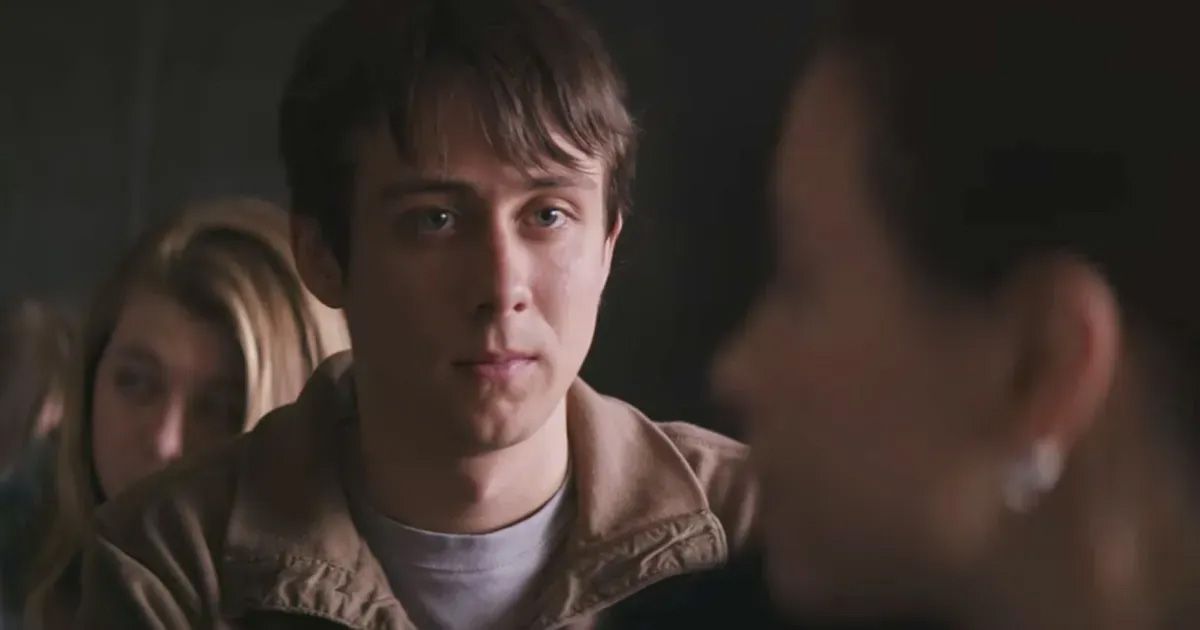
Nothing makes you paranoid like a shared secret. Teen besties Zach and Josh live a quiet middle school life in upstate NY until an unfortunate encounter with a classmate named Daryl and his friend Charlie. They’re hanging out at Josh’s house when he shows them his absent brother’s katana sword, and unbeknownst to the others, Daryl steals a bag of marijuana. This fact is discovered while the boys are out messing around with the sword, and in a moment inevitable since the sword was first found, Josh accidentally stabs Daryl with it. He dies shortly thereafter, and the panicking boys bury both body and sword. Neither Zach nor Josh is dealing well in the subsequent days when rumors abound as to Daryl’s whereabouts, and both start to break their self-imposed rules, overwhelmed by their mutual paranoia that they are about to be discovered.
14 Klute (1971)
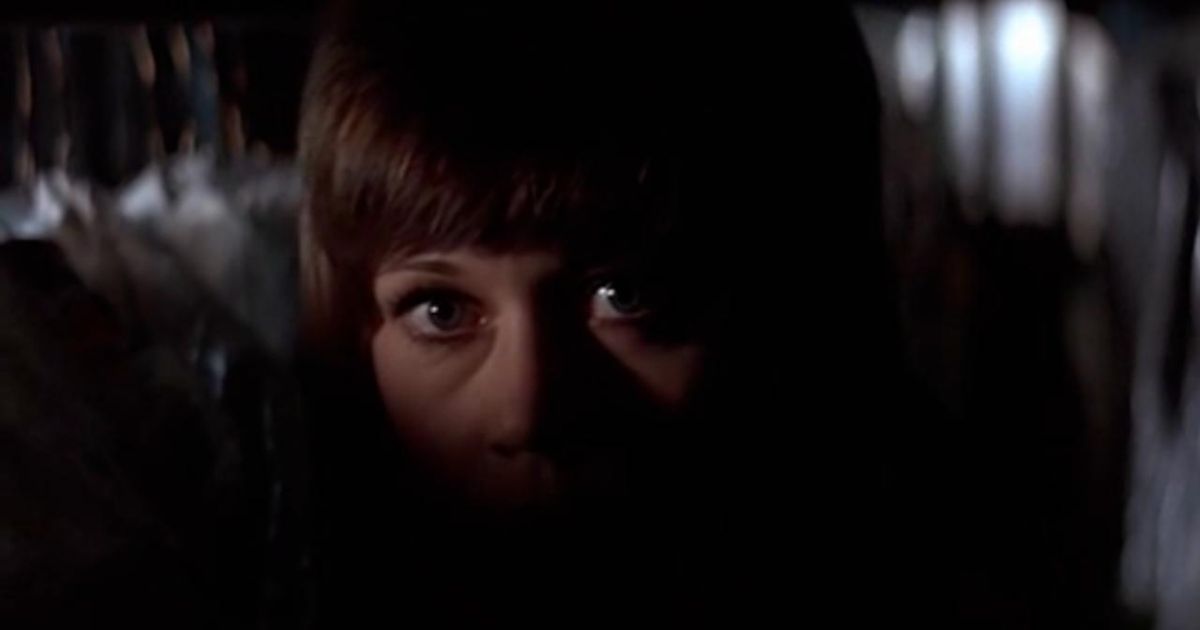
Rocking an excellent shag haircut, Jane Fonda plays Bree, a high-class escort who has been receiving dirty letters from the executive of a chemical company who has subsequently disappeared. Donald Sutherland is John Klute, a detective looking for the executive who begins to keep tabs on Bree, with whom he starts a relationship. Bree thinks she’s being watched, and she’s right. A rash of murders and suicides swirl about the plot as Klute and Bree hunt for a former abusive client who seems to be tied to the whole thing. This is the first in director Alan J. Pakula’s so-called paranoia trilogy, which was followed by The Parallax View and All the President’s Men.
13 Marathon Man (1976)
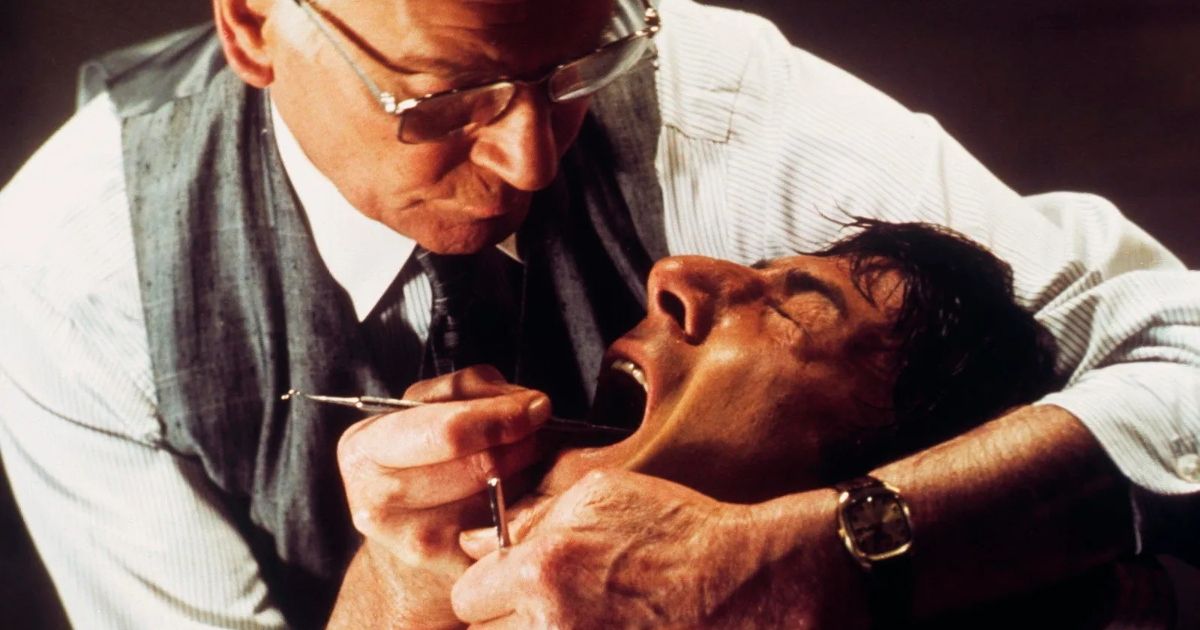
Babe Levy (Dustin Hoffman) is a PhD student studying history who has paranoia in his genes, his father having committed suicide after facing accusations during the McCarthy era. Levy’s brother Doc (Roy Scheider) is a government agent working with turncoat Nazi war criminal Dr. Szell (Lawrence Olivier) in an effort to track down other Nazis who have escaped justice. A stash of diamonds stolen from doomed Jews at Auschwitz are floating around, and dead bodies are stacking up, and the number of people that Babe can trust dwindles down to zero. Scenes of Babe racing through the streets of New York City increase the movie’s already constant feeling of dread.
12 Dark City (1998)
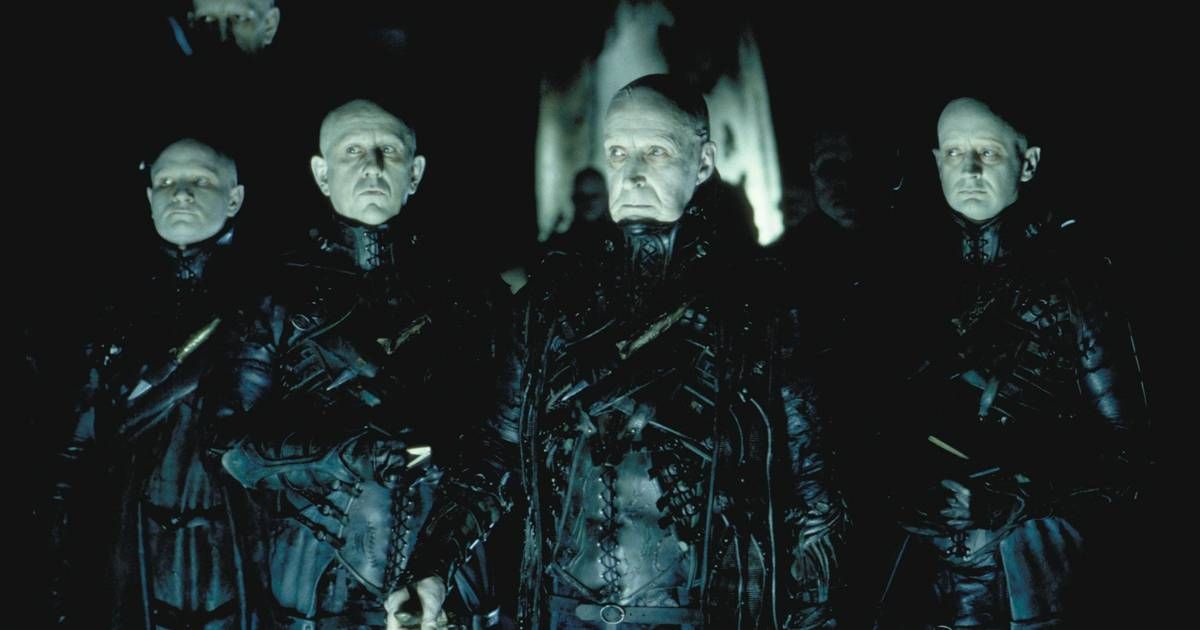
If we’ve learned anything from the movies, it’s that amnesia makes you paranoid, and Rufus Sewell’s John Murdoch is no exception, waking up in a bathtub, getting a phone call that tells him to run, and finding a number of murdered women in his hotel room. In this neo-noir cult classic, he emerges into a city that makes no sense, a place of perpetual night and conflicting timelines. He’s also followed by a terrifying group of identically dressed men who seem to have the ability to alter the city at will without any of its citizens noticing. There is a wife he may or may not have, and ads for a mysterious place called Shell Beach, where he may or may not have been before. It’s easy to be paranoid when not only is nothing in your life familiar, it also keeps changing.
11 Les Diaboliques (1955)
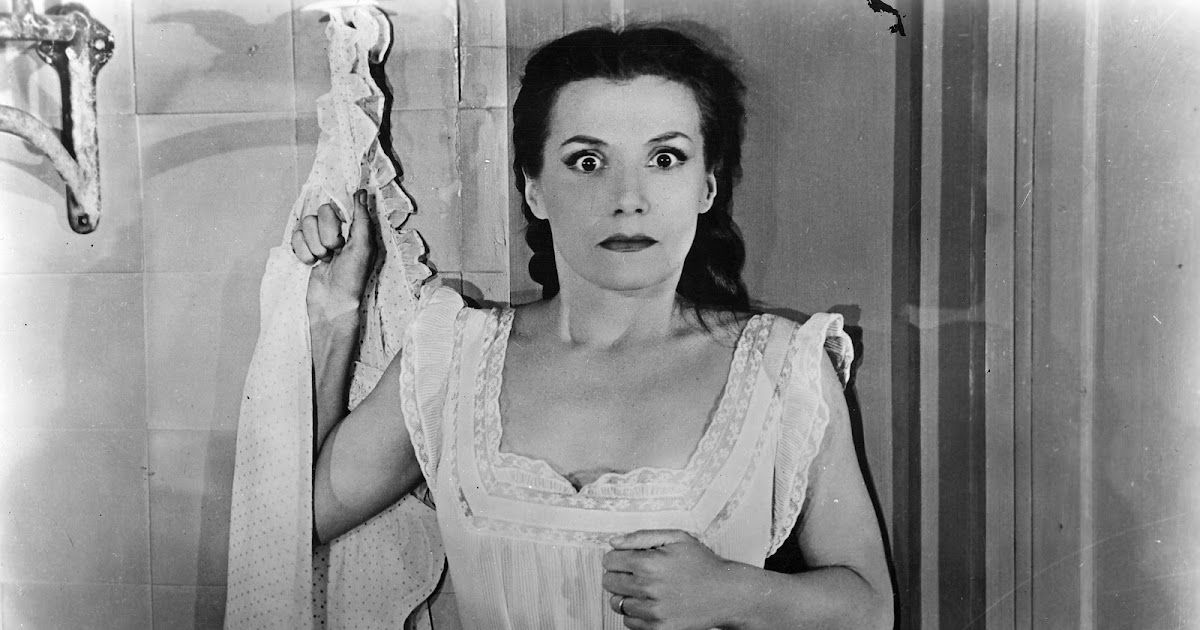
An unlikely partnership is formed in this classic French thriller, between the wife, Christina, and the mistress, Nicole, of a cruel boarding school headmaster, Michel. They have both had enough of his physical and emotional abuse and decided that the only way out is to kill him. Their plan begins with sedating him and then drowning him in the bathtub before dumping him in the school swimming pool, where they expect he will be found, and his death ruled an accident. Everything goes according to plan, except–the body fails to surface, and when the pool is emptied: no Michel. And once a private detective gets involved, the women must deal with the twin threats of the law and a dead man looking over their shoulders.
10 Three Days of the Condor (1975)
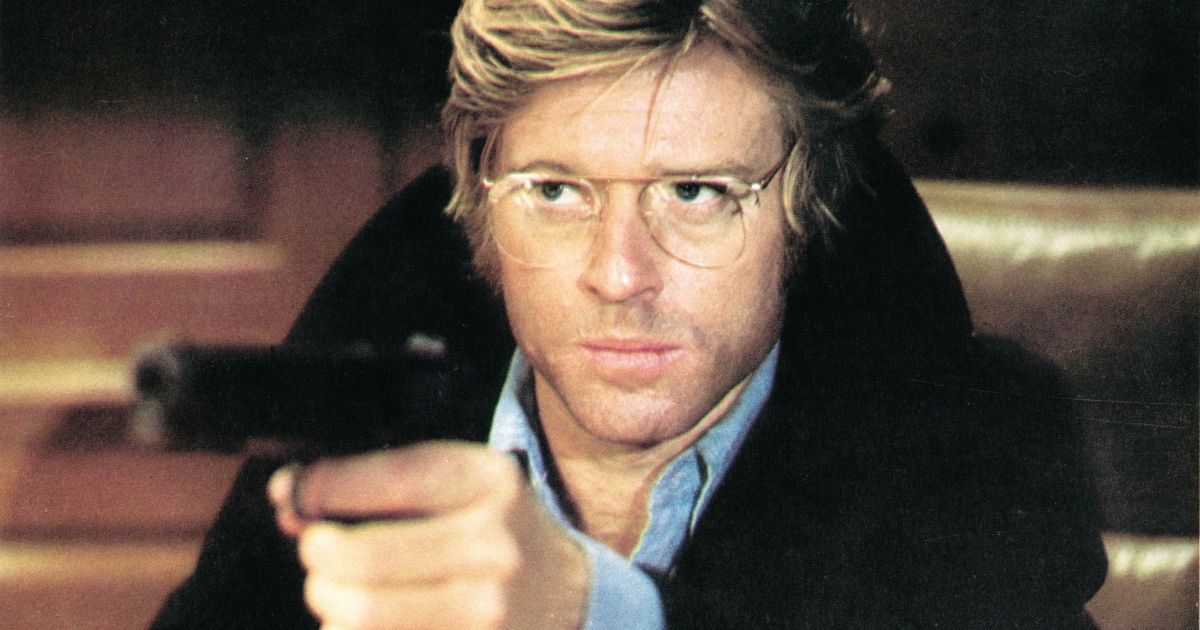
Robert Redford stars in Sydney Pollack’s 1975 thriller as a mild-mannered CIA agent, codenamed Condor, who scours various mediums in search of similarities to current operations. He turns in what he thinks is a routine report on a novel, but returns to his office after lunch one day to find his co-workers all dead. He tries to find a safe haven with the CIA, but it turns out they want to kill him too. In desperation, he kidnaps a woman and forces her to take him to her apartment, so he can buy some time to think (and also romance Faye Dunaway, as it happens). It’s a classic government conspiracy theory movie, a cat-and-mouse game with an innocent everyman trying to uncover a secret that just gets bigger and bigger the more he finds.
9 The Godfather Part II (1974)
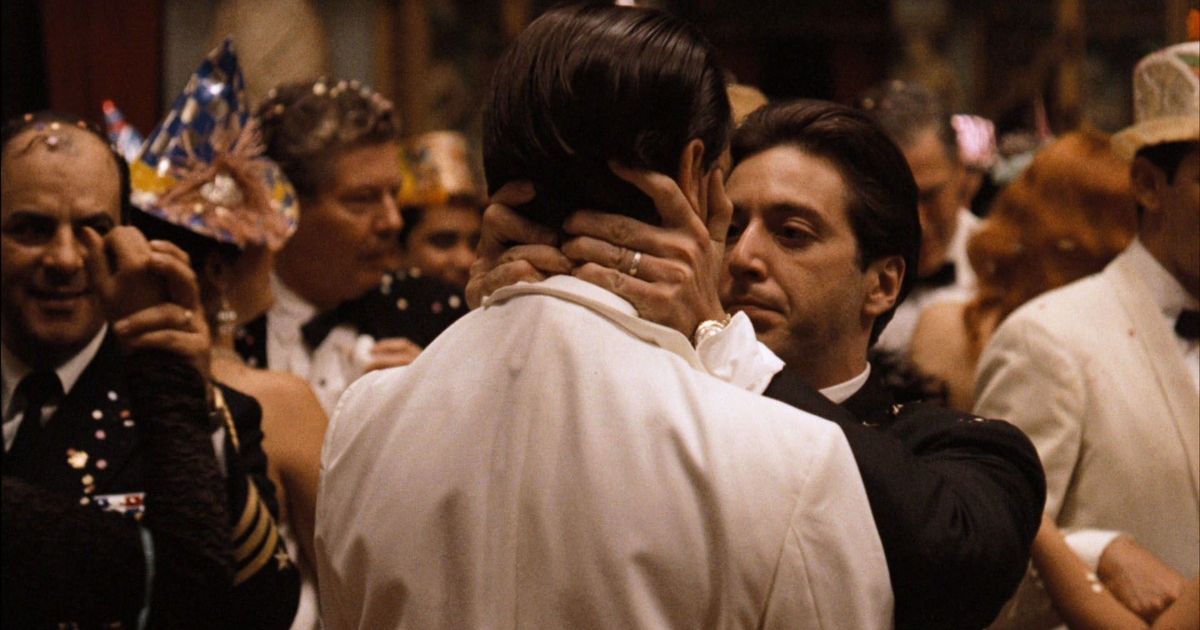
Not that there isn’t paranoia in the first installment of the mafia trilogy, but it really explodes in The Godfather: Part II. Michael Corleone (Al Pacino) is having a rough go of things. Up at the family home in Lake Tahoe to celebrate his son’s First Communion, he and his wife survive an assassination attempt, and he begins to suspect that there is a traitor not just inside the business, but inside the family. Growing ever more powerful, Michael becomes more and more isolated as he undergoes a Senate committee hearing investigating his family, and pushes away those closest to him, most notably Kay and his brother Fredo (John Cazale). And, well, we all know what happened to Fredo.
8 The Conversation (1974)
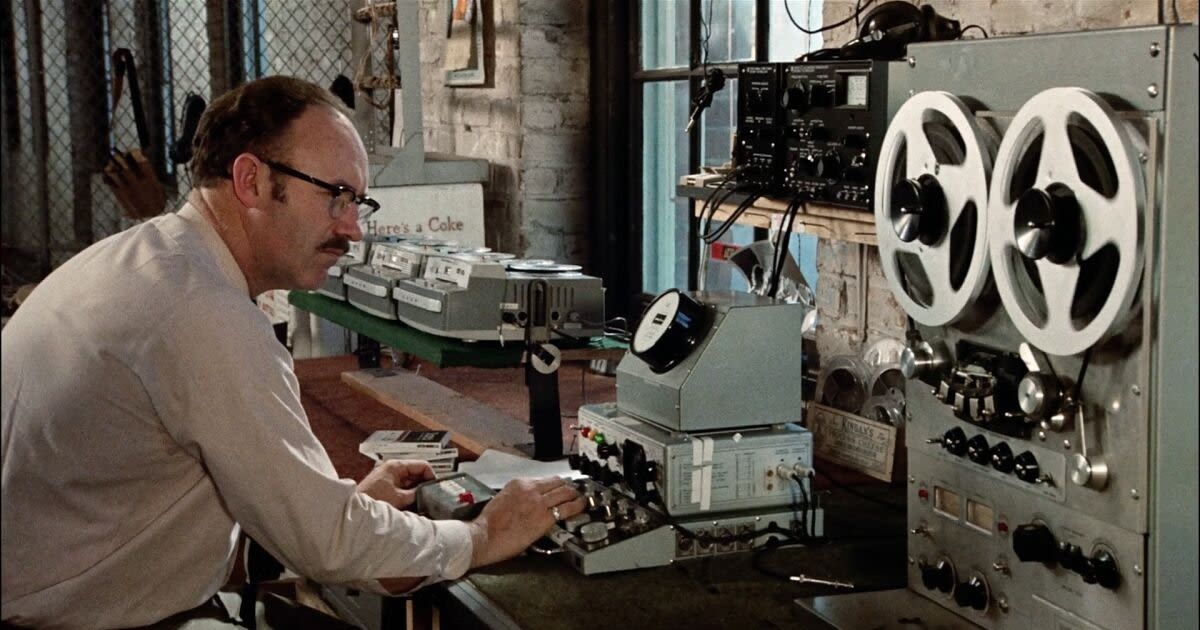
In The Conversation, Gene Hackman turns in a brilliant performance as Harry Caul, a surveillance expert whose job is bleeding over into his non-work life. He’s obsessed with home security, and the few people in his life know very little about him. Worst of all, he’s haunted by a past job that resulted in three deaths, even though all he did was pass along information. A new job has him on the alert after sifting through a wiretap to hear one of the targets say “He’d kill us if he got the chance,” and as Caul tries not to hand over evidence that could end someone’s life, he finds that he is now the target of the client’s surveillance. Paranoia is just as scary when you know who is after you and why.
7 The Thing (1982)
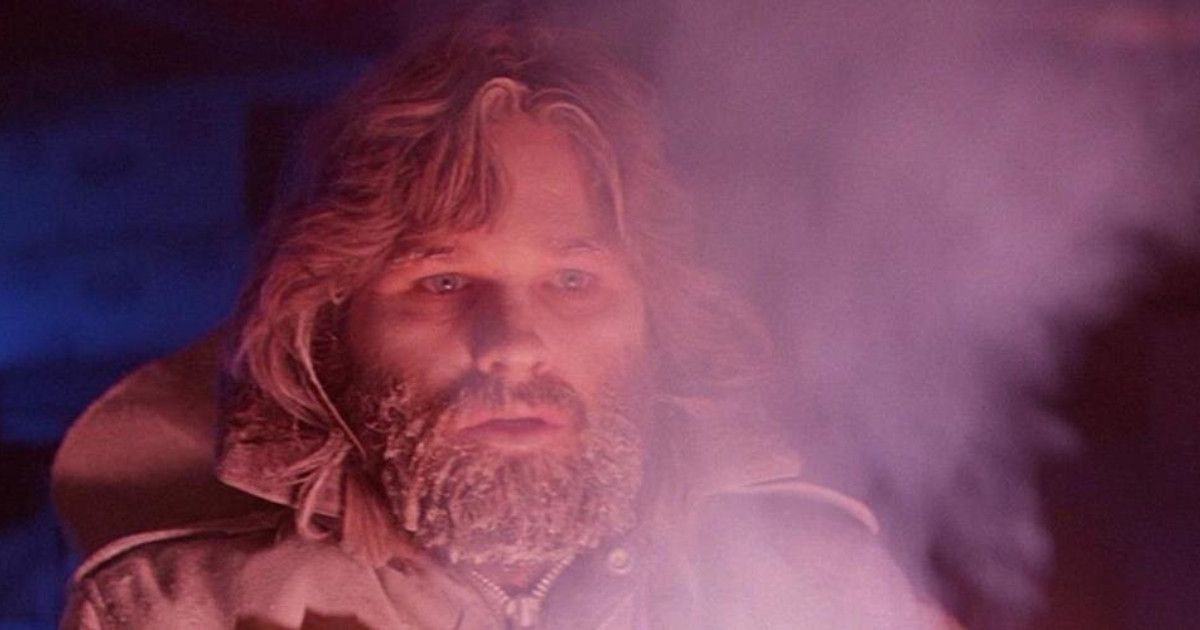
John Carpenter’s 1982 sci-fi creature feature The Thing is a master-class in creating an aura of paranoia. The denizens of an Antarctic research station are befuddled when a Norwegian helicopter arrives, apparently chasing a sled dog. The pilot and his passenger perish in pursuit, but the researchers take in the dog, which is to prove a fatal error. It quickly becomes apparent that there is something very wrong with the dog, and that something attacks the other station dogs. An investigation of the Norwegian air base leads to the horrific discovery that “the thing” can perfectly imitate its hosts, and that includes humans. The men almost immediately begin to turn on each other, with no way to prove if any of them are or aren’t hosting an extraterrestrial entity. They must also deal with the threat of what the thing could do to the rest of the world if they don’t destroy it. Chances of survival are slim.
6 The Tenant (1976)
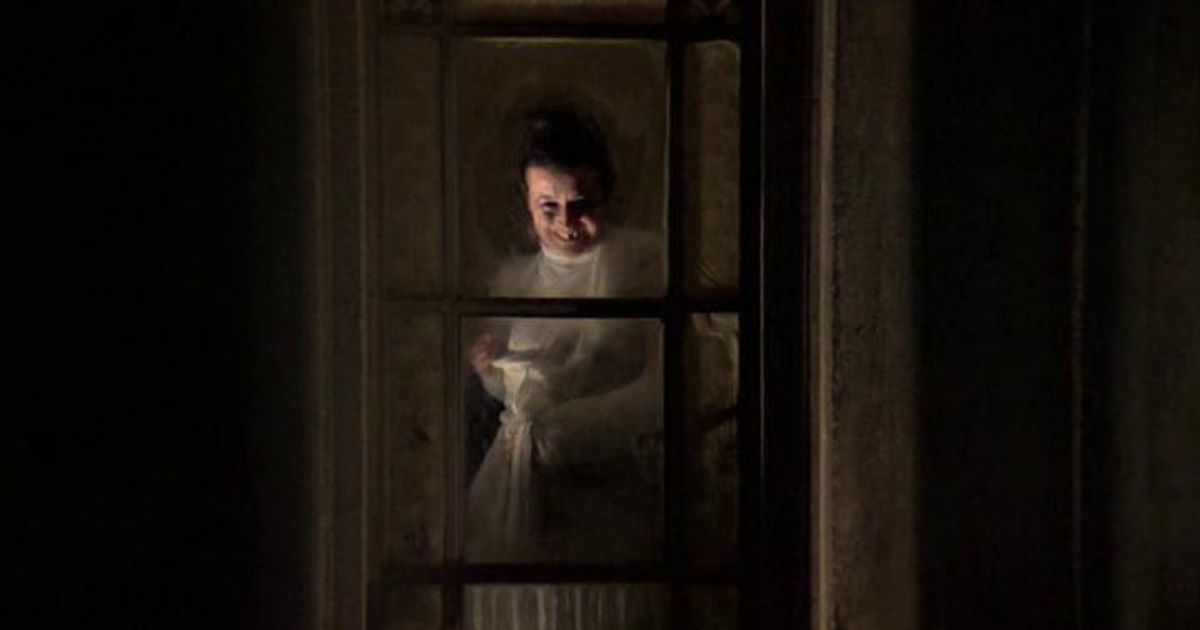
The Tenant is the third film in Roman Polanski’s apartment trilogy, followed by Repulsion and Rosemary’s Baby. A man named Treikovsky (Polanski) has weaseled his way into a Parisian apartment after the previous tenant threw herself out of the window. The building is a peculiar one, with the tenants constantly at odds with each other over loud music, parties, and other infractions. Treikovsky begins to semi-consciously adopt the habits and routine of the previous tenant (who has died from her injuries), and when he realizes what is happening, starts to think it’s a plot by the rest of the building to transform him into the dead woman. Increasingly scared and helpless, one night Treikovsky looks through his binoculars into the window of the bathroom across the courtyard and sees himself standing there. Things only get worse from there as he is consumed by paranoia.
5 The Lives of Others (2006)
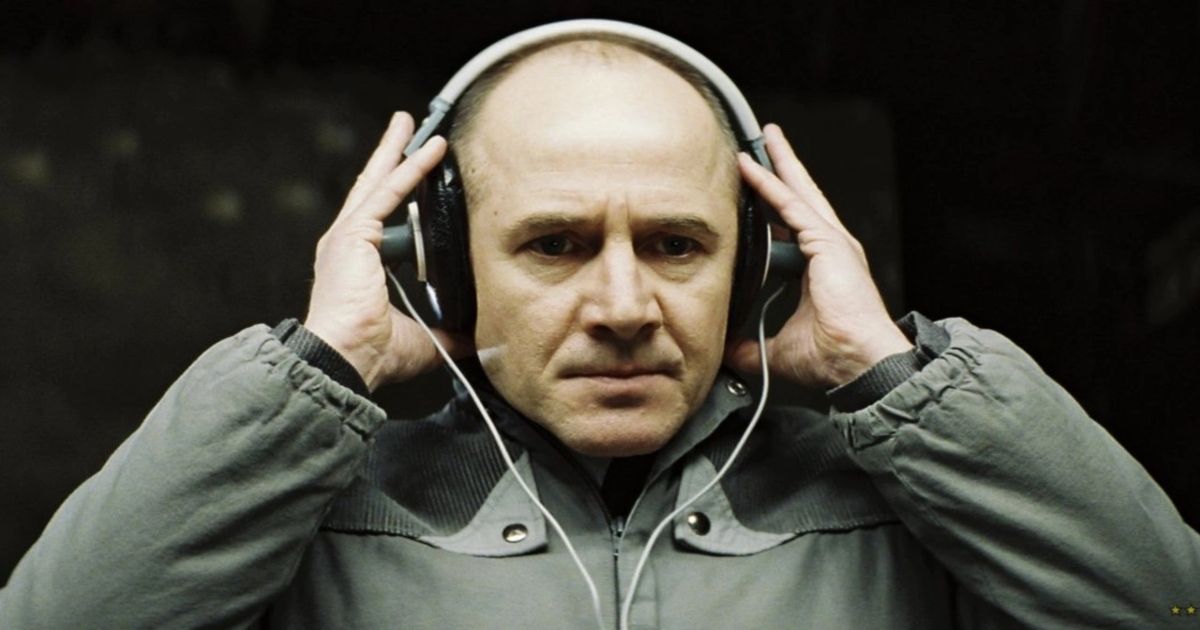
Paranoia was just how people survived in East Berlin during the reign of the Stasi, the notorious secret police. A playwright named Georg Dreymann is being surveilled by a lonely Stasi agent named Gerd Wiesler, both because of Dreymann’s Communist views and his girlfriend Christa-Marie, who has been coerced into a secret relationship with one of Wiesler’s superiors. In order to write an article for the West German newspaper Der Spiegel, Dreymann takes delivery of a typewriter which he must hide, even from Christa-Marie. Suspicions abound on all sides, in an environment where it wasn’t at all unexpected to find that a neighbor had reported you, or that the police knew of your every movement. Wiesler, of whose existence the couple know nothing, finds himself inextricably entangled with their lives. The story inevitably ends in tragedy, but also with a moment of overwhelming poignancy.
4 The Parallax View (1974)
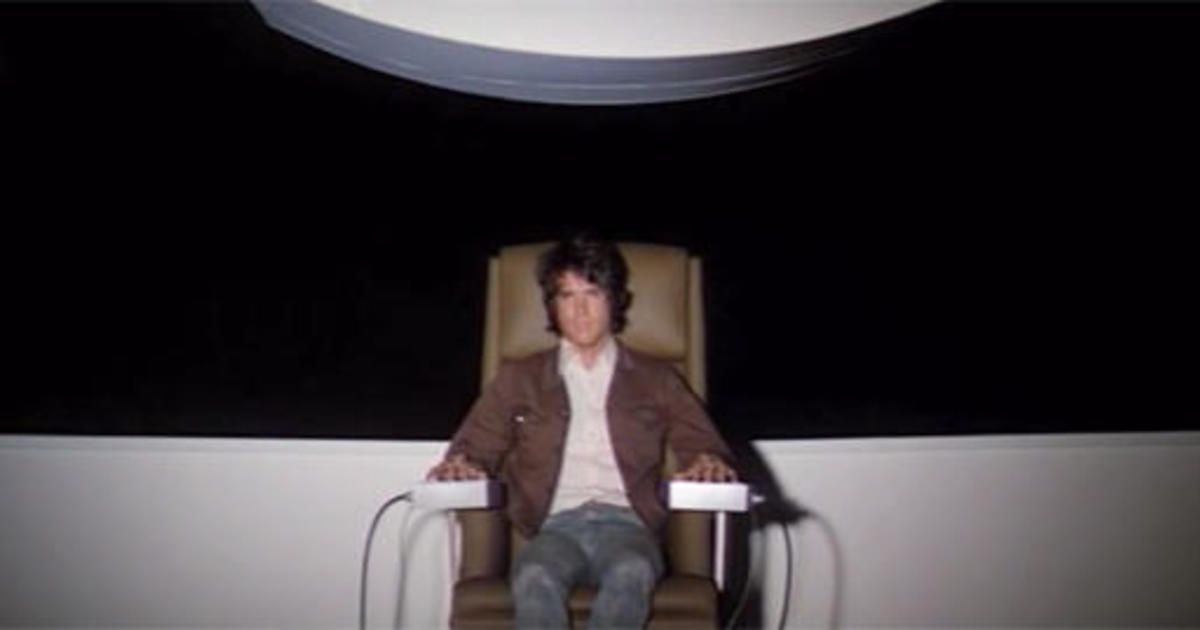
(See Klute, above.) A TV journalist sees a presidential candidate assassinated. Although a perpetrator is swiftly brought to justice, she is rightfully alarmed when she realizes that a number of witnesses have been killed in the aftermath. Enter ex-boyfriend Joe Frady (Warren Beatty), a reporter, who finds her fears a little silly until she too, turns up dead. Frady begins to investigate her claims, quickly stumbling upon a shadowy security organization called the Parallax Corporation. Soon Frady is on the run while still trying to figure out what is going on, foiling a terrorist bomb on a plane along the way. He’s pulled in deeper and deeper, and running out of people to trust, and Beatty excels as a man trying to save lives while still hanging on to his own.
3 Repulsion (1965)
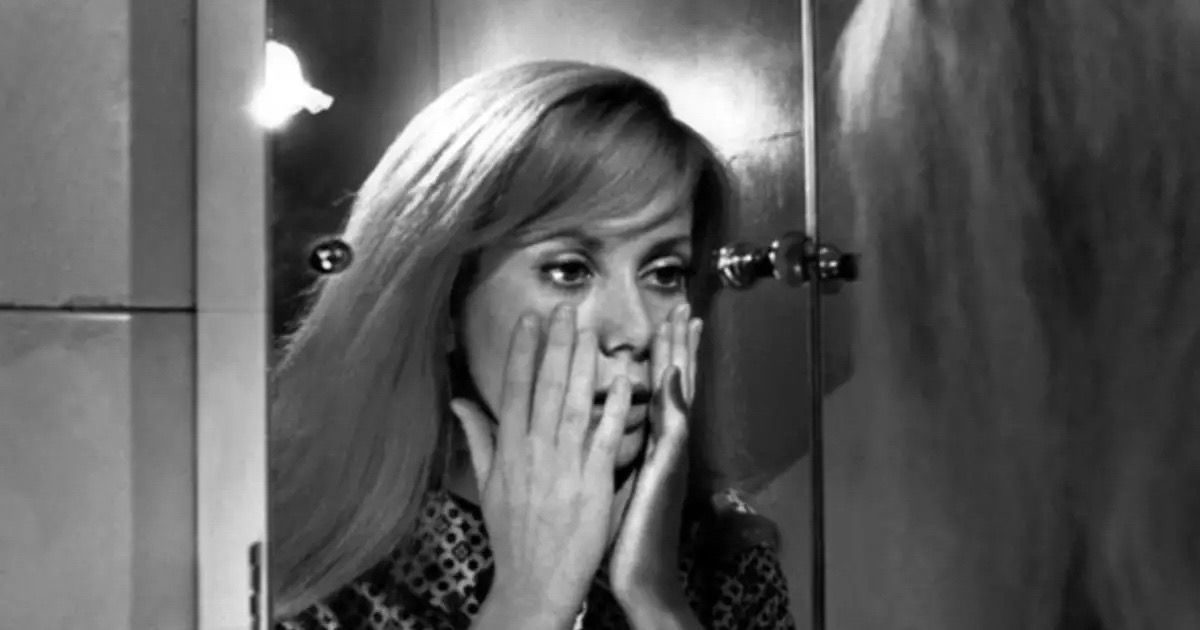
(See The Tenant, above.) Carol (Catherine Deneuve) is beautiful but troubled, sharing a London apartment with her sister Helen. All sorts of men pursue Carol, but she is at best uninterested, at worst, repulsed. Helen’s boyfriend makes unwanted advances just before he and Helen depart on a vacation, and Carol spirals out of control, hallucinating a sexual assault, and in reality bringing an uncooked rabbit’s head in her purse to work. Carol’s extreme aversion to sexuality grows monstrously out of control, and the black and white photography, paired with a soundtrack of repetitive sounds, add to the mounting tension that pervades the film.
2 Take Shelter
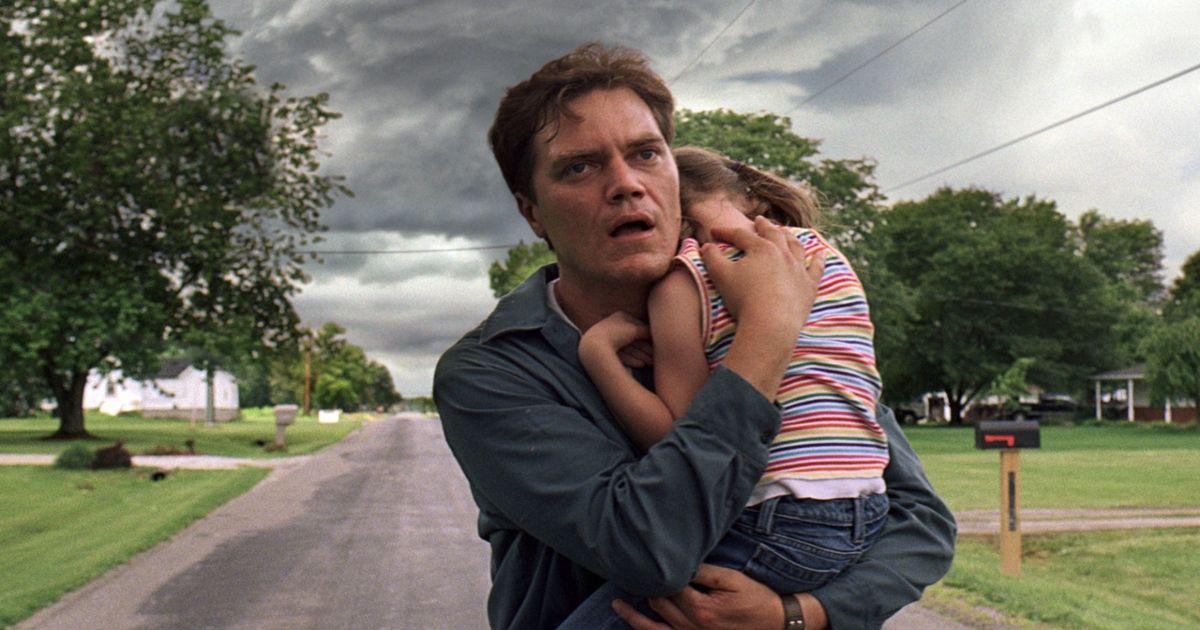
In Take Shelter, Michael Shannon amazes as Curtis LaForche, an Ohio man suffering from troubling dreams and hallucinations, which he does not reveal to his wife or deaf daughter. He develops an all-consuming obsession with building a larger storm shelter in the backyard, which, along with his fear that he may have inherited schizophrenia from his mother, isolates him from the rest of his small community. His wife’s patience is at its limit as he spends money they don’t have preparing for some sort of doomsday that he can’t really explain. It’s a devastating portrait of a man who knows he’s losing control but is helpless to stop it. The last shot of the movie is one you won’t soon forget.
1 Pi (1998)
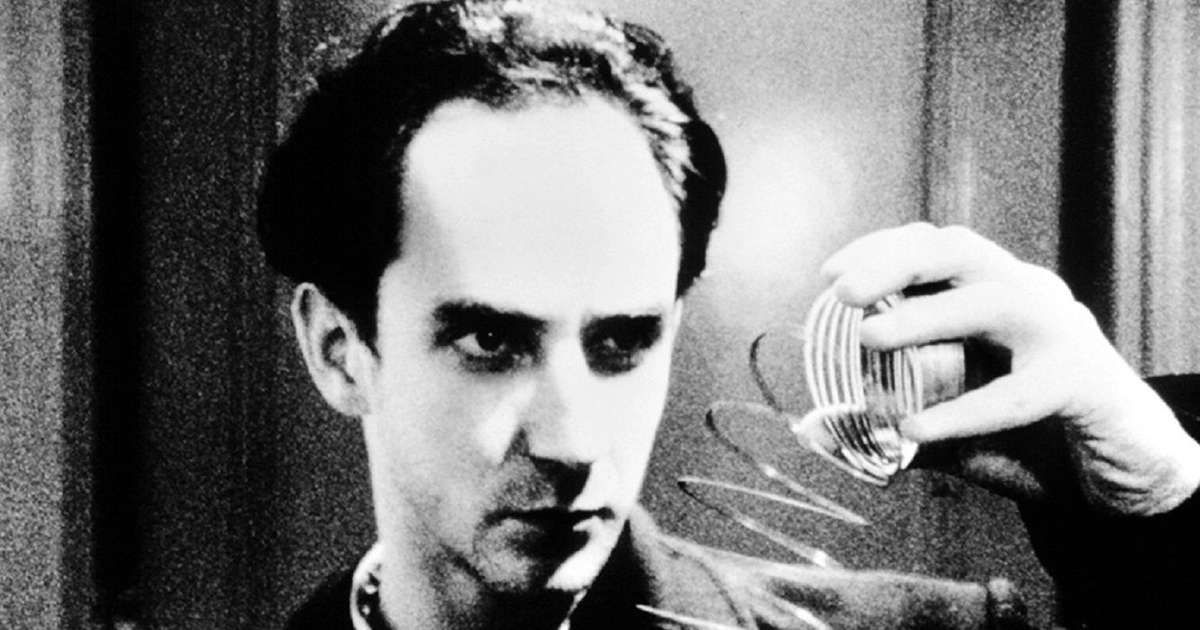
Darren Aronofsky’s low-budget debut has lost none of its paranoid power since its release 25 years ago. Shot in jumpy, nerve-jangling black and white, the film follows Max Cohen, an incredibly smart yet mentally ill man who thinks the world can be understood through numbers. His apartment is largely taken up by a complex jumble of computers and electronics, and it’s there that he prints out what seems to be a random 216-digit number, which ends up frightening his mentor. Cohen then turns to trying to analyze the Torah through numbers, but he gets the 216-digit number again. A man who started out the movie with a tenuous hold on reality gets even farther away from it as crippling headaches threaten to overwhelm him completely. Everything in his already messy life is falling apart, and he can see only one way out.